1949 Ford Tractor: A Collector's Deep Dive
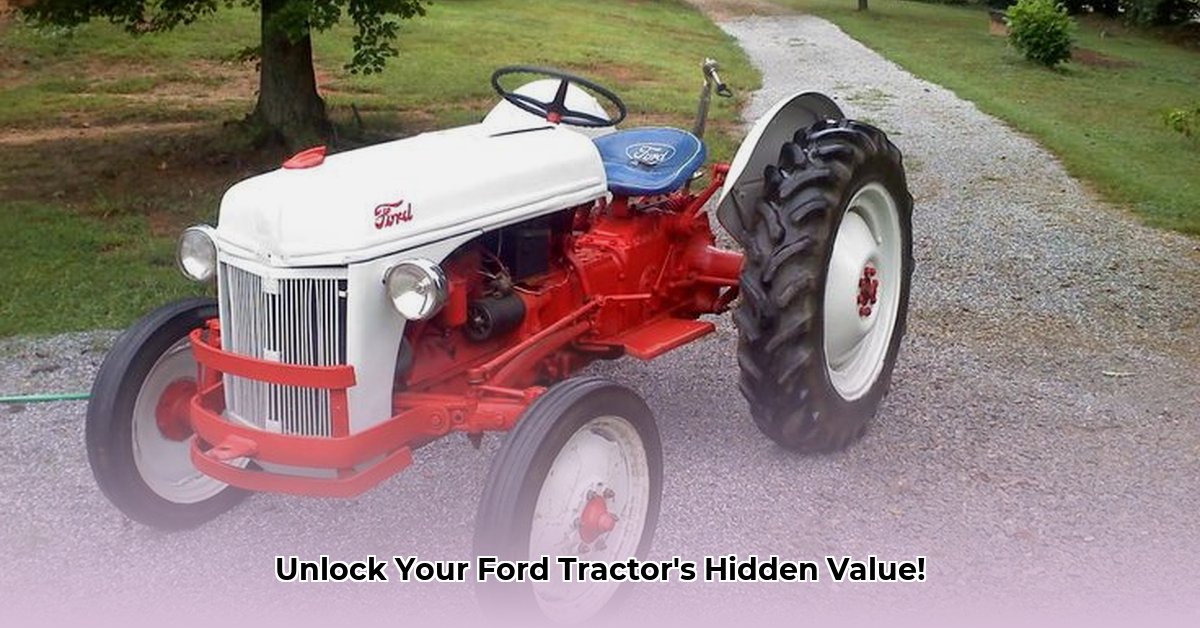
The iconic 1949 Ford 8N tractor—more than just farm equipment, it's a piece of American history. Its robust design and surprisingly affordable original price made it a staple on farms nationwide, solidifying its place in agricultural history. This enduring appeal continues to attract collectors, making understanding its value crucial. This guide dives into the history, market analysis, buying and selling strategies, restoration, and maintenance of this classic machine. For more detailed pricing information, check out this tractor valuation resource.
History and Significance: More Than Just a Tractor
The 1949 Ford 8N's simple yet robust design was revolutionary. Considered the "Model T of tractors," its mass production made powerful mechanization accessible to many farmers. Its straightforward mechanics, combined with its enduring strength, contributed to its widespread popularity and lasting legacy. It was a machine that farmers could understand and rely on.
Market Analysis: Deciphering the Value of a 1949 Ford Tractor
Pinpointing the exact value of a 1949 Ford tractor requires careful consideration of several key factors. Condition reigns supreme. A flawlessly restored tractor will command a significantly higher price than one requiring extensive repairs. Originality is another critical factor; tractors with all original parts are highly prized.
Data from collector's websites (while incomplete) reveals a wide price range, highlighting the need for further research. Currently, we lack a standardized grading system, creating challenges in precise valuation. However, preliminary data suggests prices range from several hundred dollars for projects to well over $19,500 for pristine, fully restored examples. Regional variations and market demand also play significant roles in determining the final price.
Factors Impacting Value:
- Condition: A fully restored tractor commands top dollar. Well-maintained, original examples fetch better prices than those needing major work.
- Originality: All original parts significantly increase value. Replacements, especially inaccurate ones, reduce value.
- Documentation: Manuals, service records, and provenance documents add legitimacy and value.
Isn't it interesting how a seemingly simple machine can have such a complex valuation?
Buying Guide: Securing Your 1949 Ford Tractor
Purchasing a 1949 Ford tractor involves a detailed process. Don't rush; thorough inspection is paramount.
Step 1: Comprehensive Inspection: Examine every aspect of the tractor. Check for rust, damage, and wear. Don't just look—feel the metal for cracks or weakness.
Step 2: Parts Authentication: Verify the originality of all parts. Counterfeit parts can significantly devalue the tractor.
Step 3: Documentation Review: Request and carefully review all available documentation, including manuals and service records. A complete history adds confidence and value.
Step 4: Functional Test (if possible): Start the tractor and test all functions. Listen for unusual noises or malfunctions.
Step 5: Price Negotiation: Thorough research is essential. Compare prices of comparable tractors online and consult with collectors before negotiating.
Selling Guide: Maximizing Your Return
Selling your 1949 Ford tractor requires strategic preparation and marketing.
Step 1: High-Quality Presentation: Utilize high-quality photos and a detailed description when advertising online. Highlight the tractor's unique features and condition honestly.
Step 2: Competitive Pricing: Research comparable sales to establish a competitive price that still allows for a fair profit.
Step 3: Pre-Sale Preparation: Clean and address minor repairs. A well-maintained tractor attracts higher bids.
Step 4: Targeted Advertising: Employ online platforms specializing in vintage tractors and classic farm equipment to reach the ideal buyer.
Restoration and Maintenance: A Long-Term Commitment
Restoring a 1949 Ford tractor can be incredibly rewarding but demanding. Sourcing parts may require dedication, but online resources dedicated to these tractors offer valuable assistance. Regular maintenance is crucial for preserving its value and ensuring its longevity.
Conclusion: A Lasting Legacy
The 1949 Ford 8N remains a cherished collectible, valued for its historical significance and enduring appeal. While data gaps currently exist, available information provides a valuable foundation for buyers and sellers. Continued research and collaboration will refine our understanding of this market, ensuring the preservation of these iconic machines for future generations. The enduring appeal and growing interest in preserving agricultural heritage suggests the value of well-maintained 1949 Ford tractors will remain strong for years to come. How will the market evolve over the next decade?